

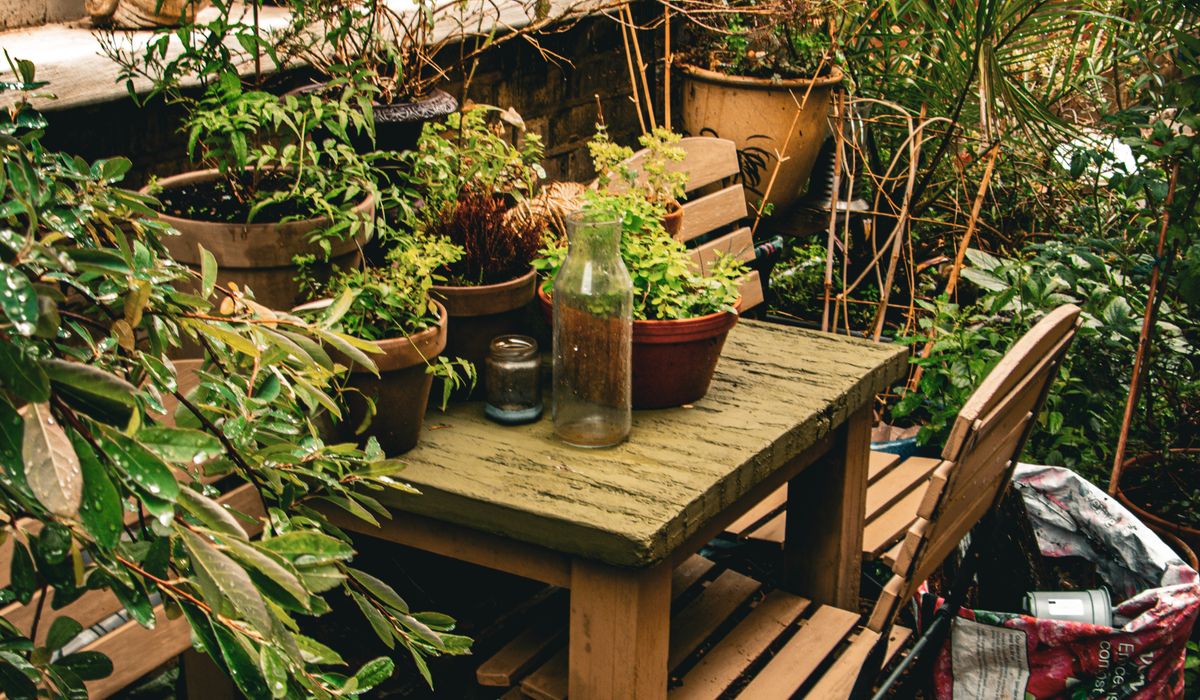
Why a sunny sill is the best spot in the house
A south- or south-west-facing kitchen windowsill is one of the most productive growing spaces in any home, and it is usually the one we take for granted. Give herbs six hours of direct light, a little warmth from the room, and the constant temptation to snip something into a saucepan, and they will outperform anything you plant in a shaded corner of the garden.
The real advantage is frequency. A windowsill gets looked at every single day, so a compost that has dried out or a leaf that has turned yellow is spotted before it becomes a crisis. You water when it is needed rather than when you remember, and you pick a few leaves as you cook instead of making a special trip outside in the rain. That daily attention is worth more than any clever gadget.
Basil, mint and chives: the three that earn their keep
Not every herb suits a kitchen sill, but these three are forgiving, fast and genuinely useful in everyday cooking.
- Basil loves warmth and hates a chill, which makes a kitchen the perfect home. Buy a supermarket pot and you will usually find eight or ten seedlings crammed together; gently tease them apart and pot them on individually, or you will lose most of them within a fortnight. Pinch out the growing tips regularly to keep plants bushy rather than tall and leggy.
- Mint is the easiest herb you will ever grow, and the only one that needs its own pot. It spreads by underground runners and will throttle anything sharing its compost. Spearmint is the best choice for tea and for lamb; keep it picked and remove any flower buds to hold the flavour in the leaves.
- Chives are quietly hardy and will sit on a sill all winter, dying back and returning without any fuss. Snip the leaves close to the compost rather than halfway up, and let a few purple flowers open in summer — they are edible and lovely scattered over a salad.
If you have space for a fourth pot, flat-leaf parsley and thyme are both worth trying, though parsley is slower to get going from seed and thyme prefers a slightly drier, grittier compost.
Pots, compost and a saucer that saves your sill
Size matters less than drainage. A 12–15cm pot is plenty for a single herb, and one plant per pot is nearly always better than a crowded window box, because each plant gets the light and root room it needs.
Use a peat-free multipurpose compost, and put a shallow layer of crocks or gravel in the base of the pot before filling. Always stand pots on a saucer or a deep tray. Windowsills are usually painted wood or sealed MDF, and a single forgotten watering will leave a permanent ring that no amount of scrubbing will shift.
Terracotta looks lovely and dries out faster; plastic holds moisture for longer. On a hot sill in July, that difference can be the gap between thriving and struggling.
Settling your herbs in
Water plants well an hour before you pot them on, then firm them into their new compost so the roots are in close contact with it. Leave a centimetre of space below the rim so water does not spill straight over the edge. Give them a gentle watering to settle everything, and keep them out of direct sun for two or three days while they recover.
Turn each pot a quarter turn every few days. On a windowsill, light comes from one direction only, and plants will lean hard towards the glass if you let them. Turning them keeps growth straight and even.
Watering, feeding and the radiator problem
Check the compost with your finger rather than by the calendar. Push a fingertip in up to the first knuckle: if it feels dry, water until it runs into the saucer, then empty the saucer after half an hour. Little and often is the usual mistake — it wets only the surface and leaves the roots dry.
The big windowsill hazard is the radiator beneath it. Dry rising heat will scorch leaves and dry compost faster than you can keep up with. If you can, close the valve or slide a piece of board between the pot and the heat source. In winter, move tender herbs like basil away from cold glass at night, and expect growth to slow from November to February — that is normal, not failure.
Start feeding with a weak liquid feed once a fortnight from spring, and stop entirely in the darkest weeks. Overfeeding herbs is worse than underfeeding them; too much nitrogen gives you soft, tasteless leaves.
Cutting for the kitchen
Never strip a plant bare. Take the top pair of leaves and the stem below it, and always leave at least two sets of leaves on each stem so the plant can regrow. Harvest little and often rather than in one big raid — regular picking is what keeps basil and mint producing, and it is what gives you a steady supply of fresh flavour for the smallest possible effort.



John Doe
14 January, 2022Having no content in post should have adverse..
Chauffina Carr
10 April, 2022We use these tests all time! Killer stuff!
Jim Séchen
16 July, 2022Thanks for all the comments, everyone!