

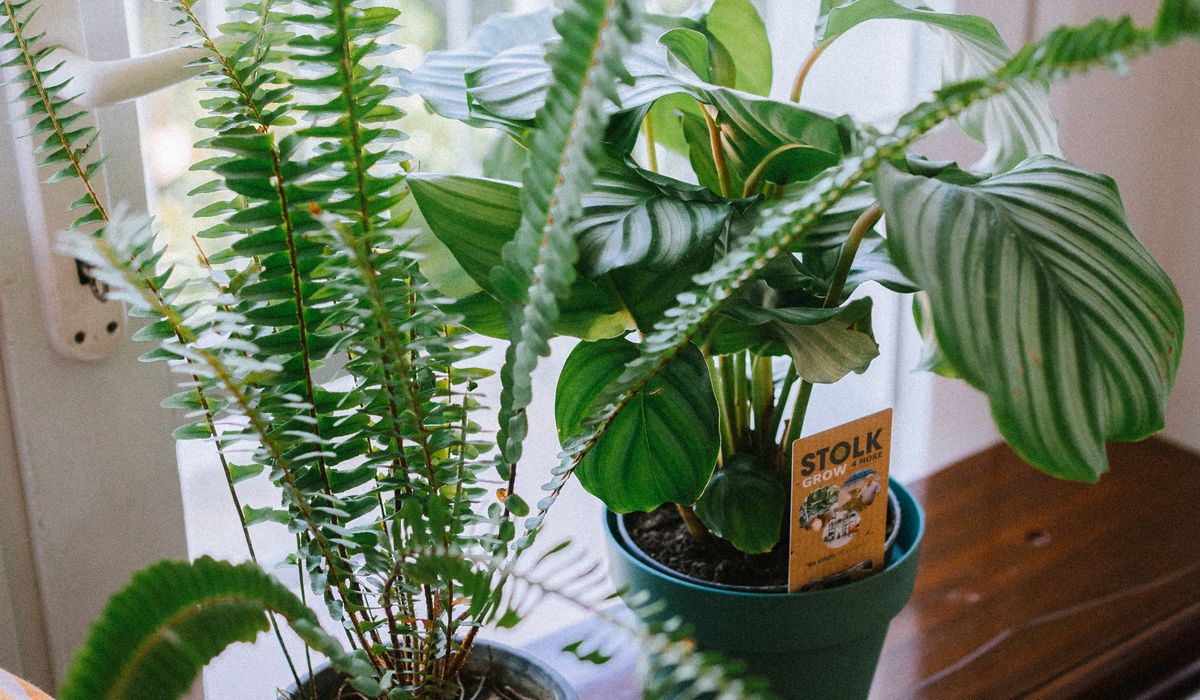
Central heating keeps us warm through the British winter, but it plays havoc with our houseplants. Warm radiators pull moisture out of the air, and as indoor humidity drops to 30 or 40 per cent, the plants we've lovingly arranged on windowsills begin to look tired: crisp leaf edges, yellowing lower leaves, sudden leaf drop. The good news is that plenty of popular houseplants evolved in dry, tough conditions and simply take this in their stride. Here are the ones that cope best, plus a few practical ways to keep them healthy until spring.
Why Winter Indoors Is Harder Than You Think
Two things change in winter, and both catch people out. First, the air gets drier. A heated living room can be as dry as a desert, which is fine for succulents from arid regions but stressful for tropical plants that expect humid jungle air. Second, light levels fall. Even a bright south-facing windowsill offers a fraction of the daylight it did in June, and the sun sits lower in the sky, so it doesn't reach as far into the room.
Lower light is the more important factor. A plant in dim conditions uses far less water, so the compost stays damp for longer. If you keep watering at your summer rate, roots sit in soggy soil and rot. Most winter houseplant problems aren't caused by dry air at all — they're caused by well-meaning overwatering. Cut back your watering and you've solved half the battle before you've done anything else.
Snake Plants: The Hardiest of the Bunch
The snake plant (Sansevieria, now classified as Dracaena, though most of us still call it by its old name) is about as close to indestructible as a houseplant gets. Its stiff, upright leaves are thick and leathery, storing water internally, and they lose very little through the surface. A snake plant will happily sit in a dry, overheated room for weeks without complaint.
In winter, water it roughly once a month — perhaps every five or six weeks in a cool room, and never on a fixed schedule. Feel the compost first: if there's any moisture an inch below the surface, wait. Always let water drain away and never leave the pot standing in a saucer of water. A position a metre or two back from a radiator is ideal, and it tolerates the dimmest corner of a room far better than most plants.
One warning: cold and wet together will kill a snake plant quickly. If you keep yours in an unheated spare room or porch that dips close to freezing, keep the compost almost dry.
Spider Plants: Forgiveness in a Hanging Basket
Spider plants (Chlorophytum comosum) are wonderfully tolerant of fluctuating conditions, which makes them a classic for kitchens, bathrooms and hallways. They don't mind drier air as much as ferns or calatheas, and they'll bounce back from the odd missed watering. The main winter risk is brown tips on the leaves — a combination of dry air and, more often, the fluoride and salts that build up in tap water.
- Water when the top inch of compost feels dry, which may be every 10–14 days in winter.
- Use rainwater or filtered water if brown tips are a persistent problem, and trim them at an angle with sharp scissors.
- Move them off windowsills on frosty nights — cold glass against leaves causes damage.
- Reduce feeding to once every six to eight weeks, or stop entirely until February.
Mature plants throw out long stems with baby plantlets, which you can pot up in spring. It's a cheerful thing to do with children on a wet January afternoon.
Pothos and Similar Trailers
Golden pothos (Epipremnum aureum), often sold as devil's ivy, is another reliable performer. Its waxy, heart-shaped leaves cope well with dry indoor air, and its trailing habit suits shelves, bookcases and the tops of kitchen cupboards where the air may be warmer and drier than elsewhere. Heartleaf philodendron and the smaller Scindapsus varieties behave in much the same way.
These plants are forgiving but not invincible. Let the top two inches of compost dry out between waterings — usually every two to three weeks in a heated room. Yellow lower leaves in winter almost always mean too much water, not too little. If your pothos is in a spot with decent light, it will keep growing slowly through the winter; in a dark corner it will simply pause, and should be watered even more sparingly. Pinch out the growing tips in early spring to encourage a bushier plant.
Everyday Tricks for Dry, Heated Rooms
You don't need a humidifier to improve things, though one in a living room does make a noticeable difference. Try these simple measures instead:
- Group plants together. Clustering creates a pocket of slightly higher humidity as leaves release moisture.
- Use a pebble tray. Stand pots on a tray of pebbles with water kept below the base of the pot, so roots never sit in water.
- Move plants away from radiators and fires. A metre's distance makes a real difference to leaf scorch.
- Shield them from draughts. Cold blasts from doors and windowsills are as damaging as dry heat.
- Clean the leaves. Dust blocks light at the very time of year when plants need every bit they can get. Wipe with a damp cloth or rinse small plants under a lukewarm tap.
- Rotate pots a quarter turn each week so growth stays even and no side gets starved of light.
If you have a bathroom with a window, it's often the most humid room in the house and an excellent winter home for spider plants and pothos — just check the light is adequate.
A Simple Winter Routine
Once a week, do a slow tour with your fingers rather than a watering can. Push a finger into the compost of each pot and water only those that are genuinely dry. Tip away any water that collects in saucers after half an hour. Check for cold draughts, move anything too close to a radiator, and remove yellow or dead leaves so pests and mould have less to work with.
Snake plants, spider plants and pothos will carry you through to March with minimal fuss, and they're a sensible choice for anyone new to houseplants or short on bright windowsills. Come spring, when light returns and growth restarts, you can resume normal watering and feeding — and your plants will reward you with a season of vigorous new leaves.




John Doe
14 January, 2022Having no content in post should have adverse..
Chauffina Carr
10 April, 2022We use these tests all time! Killer stuff!
Jim Séchen
16 July, 2022Thanks for all the comments, everyone!